Donald trump cuts institute of museum and library services
President Donald Trump has issued an executive order mandating the dismantling of several federal entities in the United States, including the Institute of Museum and Library Services (IMLS), the Woodrow Wilson International Center for Scholars in the Smithsonian Institution among five other government entities. This decision will eliminate the only federal agency supporting such institutions and archives across the country. The IMLS was established in 1996 under the Museum and Library Services Act and has since continued to further learning alongside cultural and heritage preservation initiatives, providing essential funding, services, and resources for various creative groups.
While the IMLS operates with modest financial impact, accounting for just 0.0046% of the federal budget, museums notably contribute $50 billion to the US economy per year. The IMLS’ elimination will therefore have much broader implications, affecting the cultural, humanities, economic, and educational sectors, impacting libraries, museums, jobs, conservation efforts, and community programs.
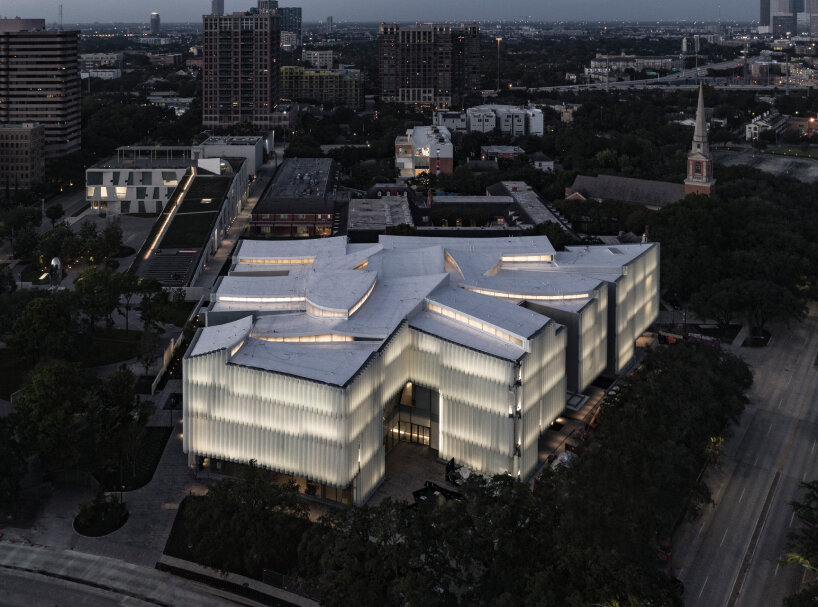
Image © Richard Barnes, courtesy of the Museum of Fine Arts, Houston
Museums and Cultural Institutions face challenges
The executive order was signed on 14th March and will pose significant challenges for museums and libraries across the United States, disproportionately affecting smaller cultural institutions and those in marginalized communities that rely heavily on federal support. Artists at Risk Connection (ARC), an international organization advocating for artistic freedom, reports that the IMLS, among the largest channels for federal arts funding in the country, was allocated $294.8m by Congress for the 2024 fiscal year. In the previous year alone, the agency distributed $266.7 million in grants to over 293 organizations nationwide, providing essential support for institutions that might otherwise struggle to sustain their operations.
The American Alliance of Museums (AAM) has also expressed its concern, stating that this move ‘threatens the critical roles museums and museum workers play in American society and puts jobs, education, conservation, and vital community programs at risk.’ Potential impacts of the IMLS’ dismantling and federal budget cuts then will impact all age and social groups, including youth, seniors, people with disabilities, and veterans.

image © Steven Zhen Wang, courtesy of Arthur Erickson
Libraries, too, face significant consequences. The American Library Association (ALA) warns that despite library funding accounting for less than 0.003% of the federal budget, it plays a crucial role in communities nationwide. ‘From technology classes for jobseekers to services for people with disabilities, from library delivery for older Americans to summer reading programs for families, IMLS funding makes a real, concrete difference in the lives of Americans every day,’ the association states. Without this support, critical library services — including educational programs, digital literacy initiatives, and community outreach — could be drastically reduced or disappear altogether. The ALA has called for IMLS to be preserved, emphasizing the need for continued federal investment in the nation’s 125,000 public, school, academic, and special libraries
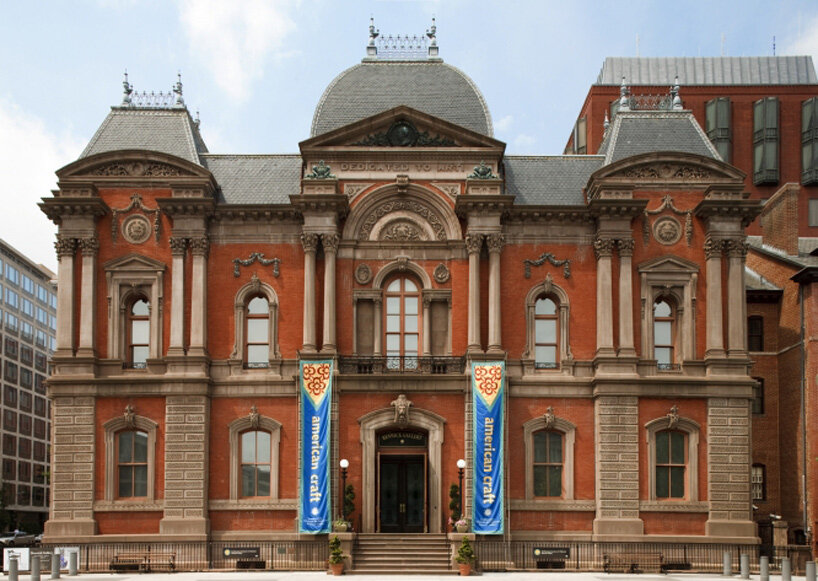
Renwick Gallery of the Smithsonian American Art Museum | image © Ron Blunt, courtesy of Smithsonian Institution
Broader economic impacts on arts, humanities, and communities
The ARC has further condemned the executive order, arguing that it undermines access to the arts and reflects a broader pattern of weakening cultural institutions. By cutting critical funding, the decision threatens the stability of the arts and humanities sector and puts at the risk the jobs and careers of those who work to sustain it.
In turn, beyond cultural consequences, dismantling the IMLS poses a significant threat the economic role that museums play. ‘Museums are vital community anchors, serving all Americans, including youth, seniors, people with disabilities, and veterans. Museums are not only centers for education and inspiration but also economic engines — creating jobs, driving tourism, and strengthening local economies,’ states the AAM.